
Description
The History of Karamanli Printing
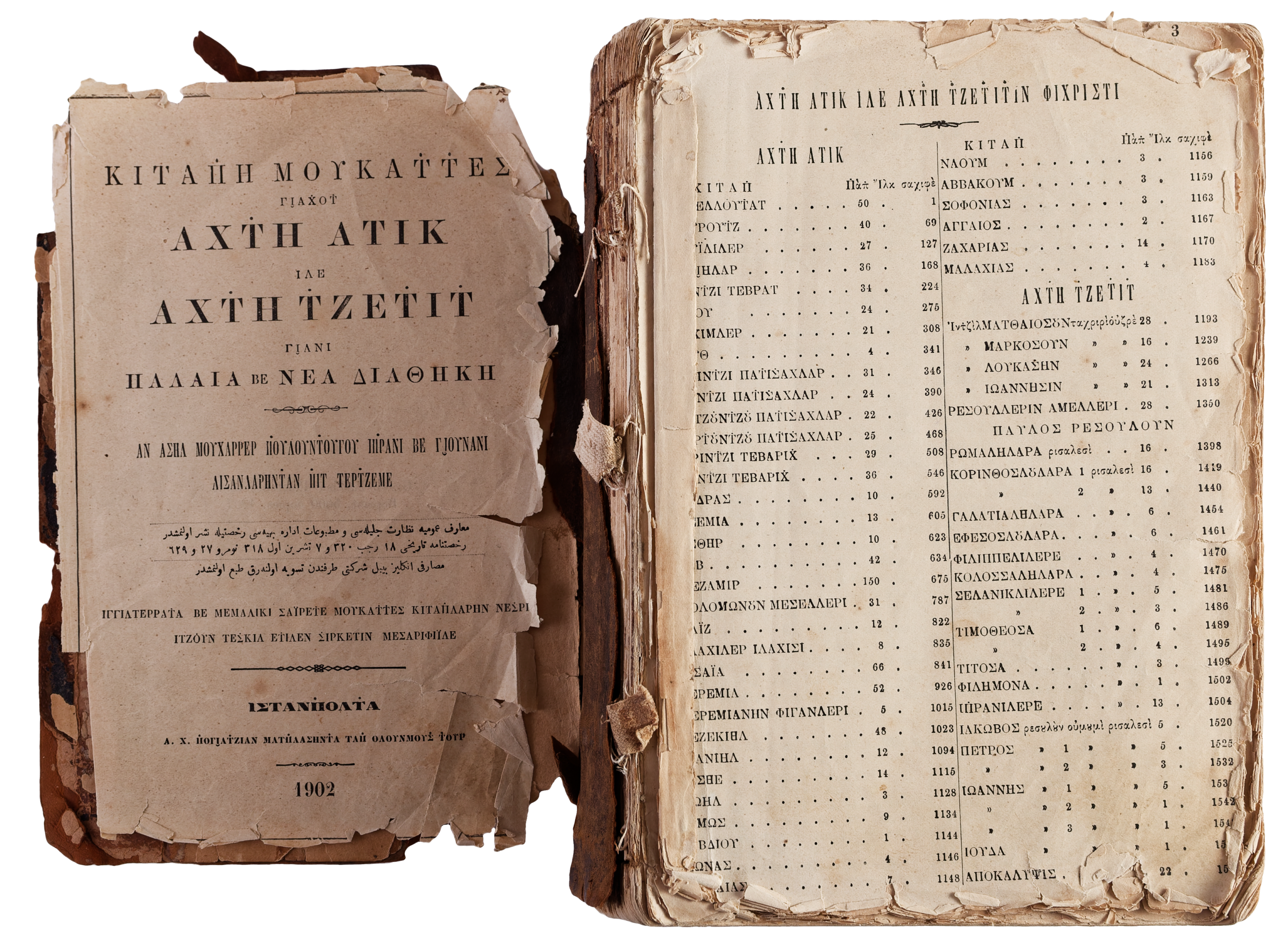
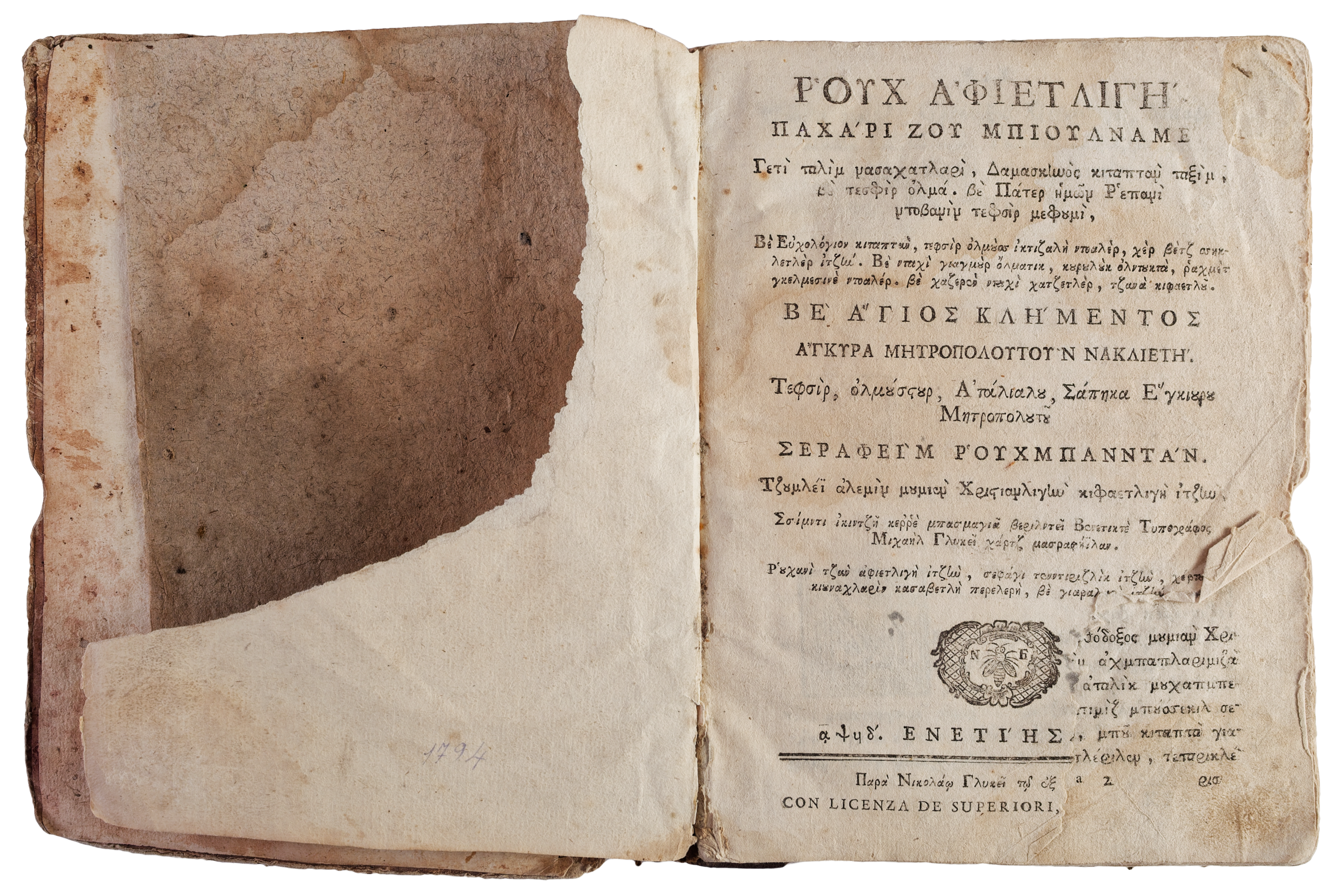
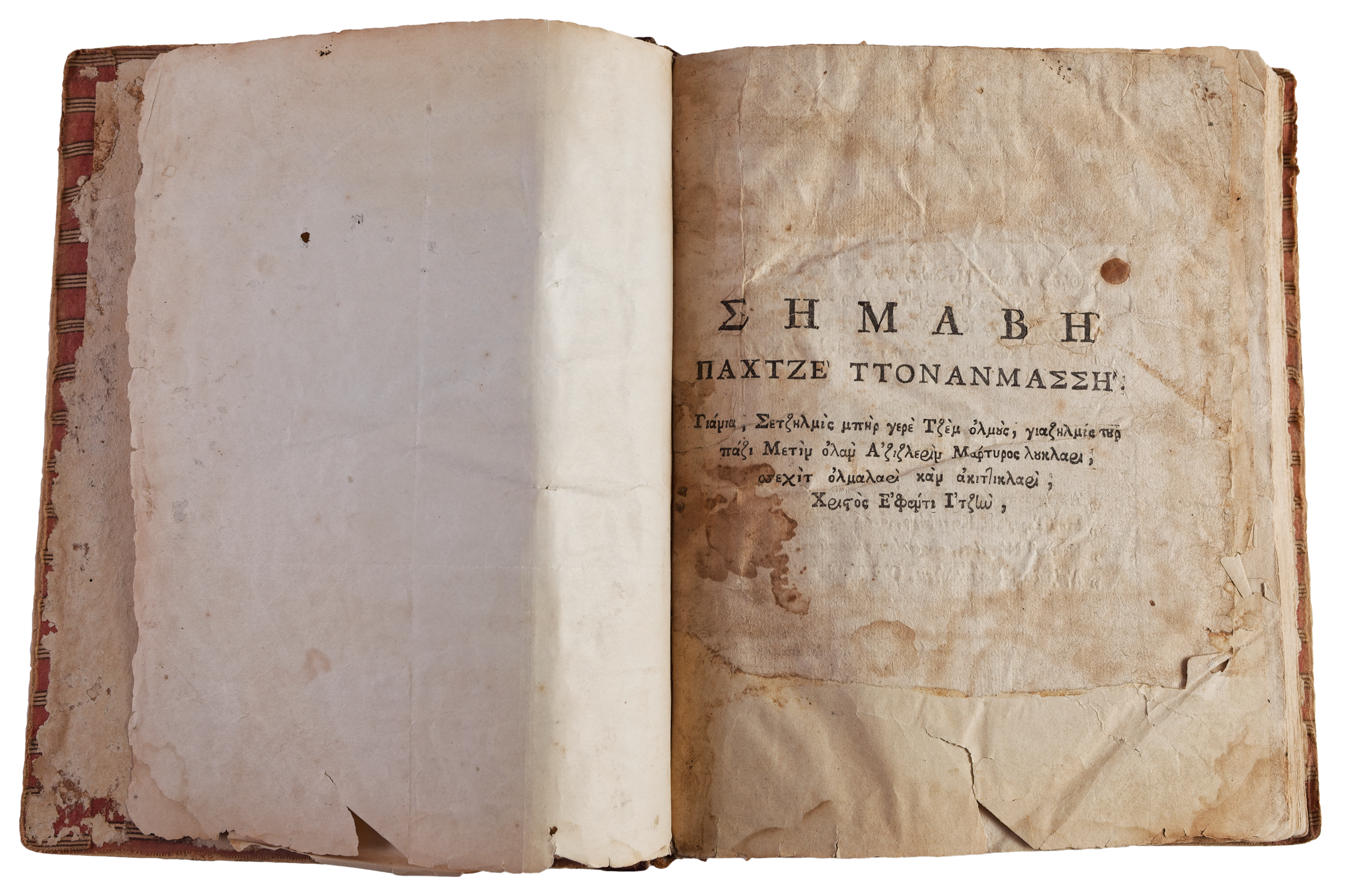
Karamanli printing flourished from the late 18th through the 19th century, with major centres of production in Constantinople, Smyrna, and Venice. These presses issued liturgical books, prayer books, chant manuals, catechisms, translations of the Old and New Testaments, as well as handbooks of ethics and theological discourse. Their production was intended both for parishes and for the domestic libraries of Turkish-speaking Greeks, who required texts accessible in their everyday spoken language.
At the same time, these works played a significant role in shaping a distinctive Orthodox Asia Minor identity, in which Christian tradition and the Turkish language coexisted organically.
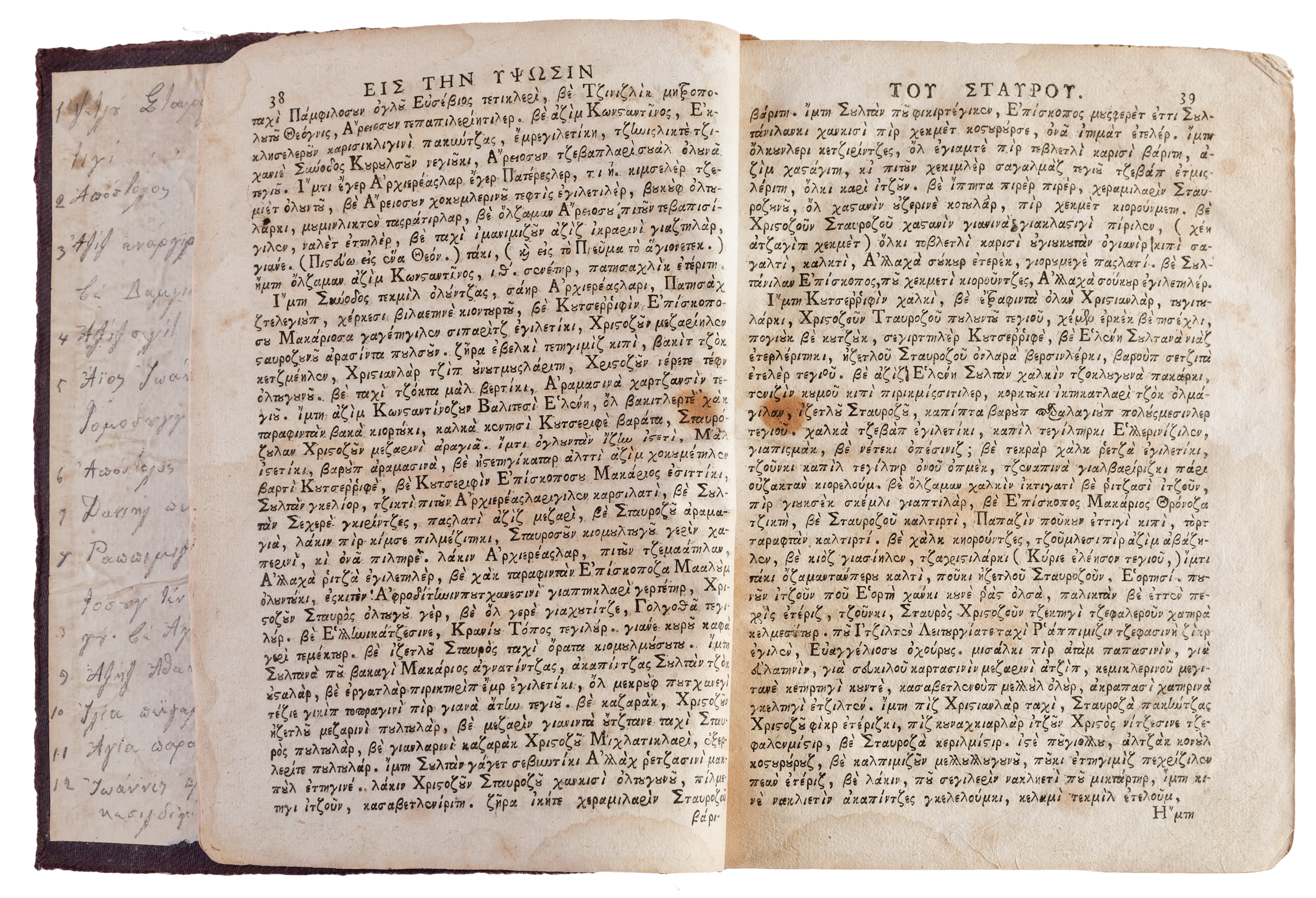
The collection includes renderings of liturgical texts, sermons, prayers, chant lessons, and excerpts from Holy Scripture. The texts preserve the rhythm and theological density of Orthodox discourse, while Turkish written in Greek characters enabled clergy and faithful to participate more fully in worship.
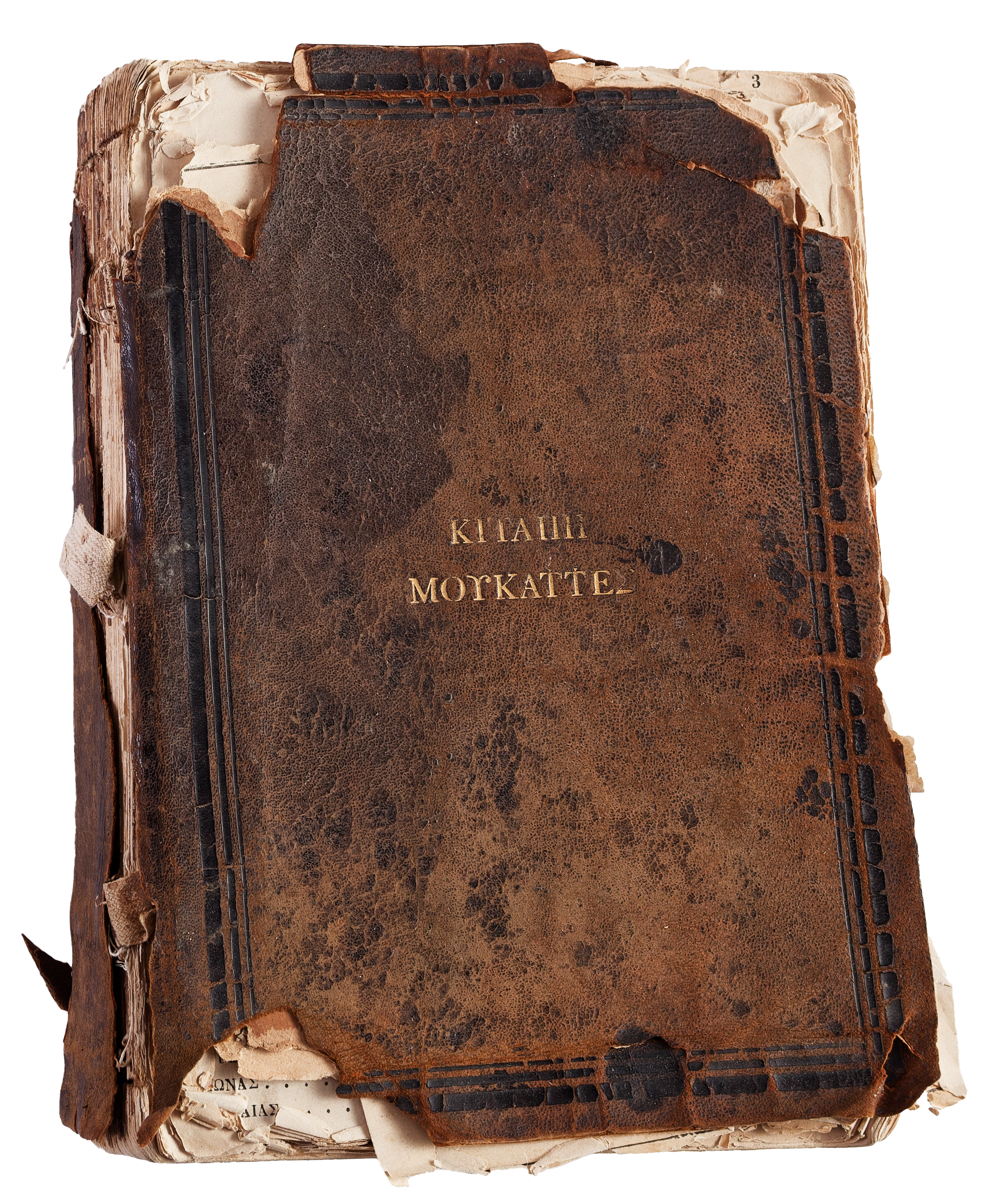
The books also testify to the material variety of Karamanli printing. The paper is handmade or of early industrial production, with visible fibres, uneven textures, and traces of oxidation, humidity, and mechanical damage from extended use. Bindings are simple—often paper or cloth covers, leather spines, or makeshift repairs carried out by the parish priests or owners themselves. Many copies preserve handwritten marginal notes, fabric bookmarks, thread repairs, detached pages, and improvised reinforcements.
Their wear is not merely a mark of time; it is valuable evidence of their daily use in the churches of Alaya, their transport during the uprooting, and the emotional significance they held for the families who preserved them.
Donated to the collection of the Alaya Association by Dimitris Sarafoglou, they are exhibited at the ALAYA Cultural Centre.